
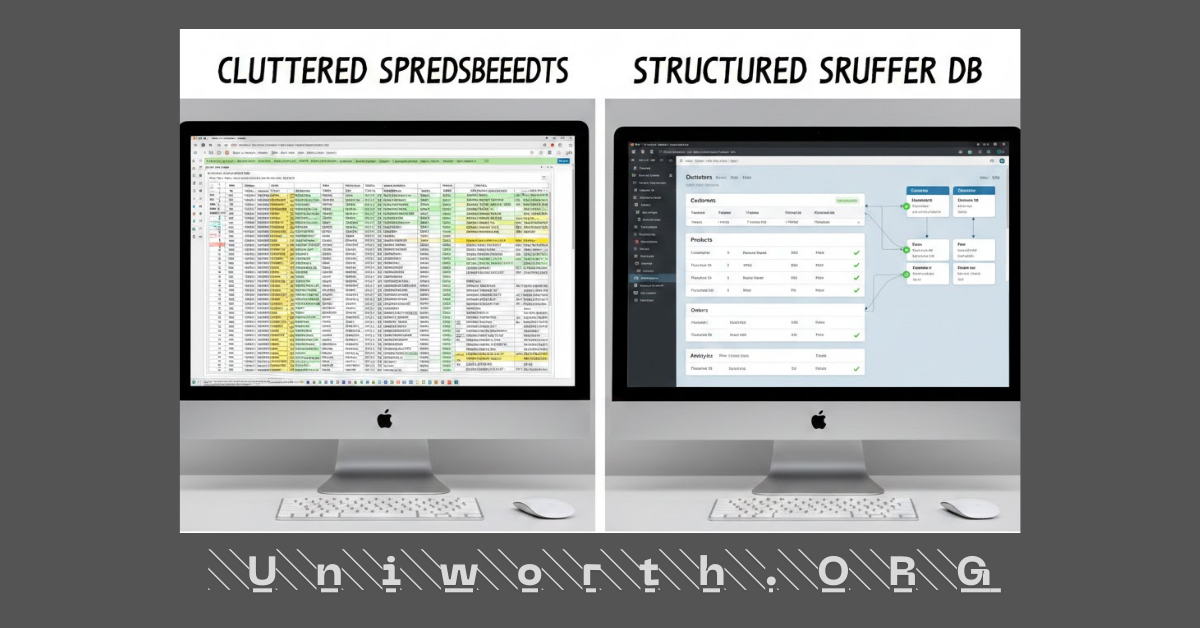
A few months ago, I was staring at my laptop at 1:30 a.m., drowning in messy data.
You know that feeling when your files are everywhere, your notes don’t match your reports, and you’re questioning all your life choices? That was me. I had spreadsheets open, random folders scattered across my desktop, and zero organization. That’s when I stumbled across Sruffer DB.
At first, I didn’t expect much. I’ve tried plenty of database tools and data management platforms before. Some were too complicated. Others felt outdated. But Sruffer DB? It caught me off guard—in a good way.
Let me share what actually happened.
What Is Sruffer DB (And Why I Tried It)
When I first heard about Sruffer DB, I assumed it was just another database solution trying to compete in the crowded world of data storage and database management tools.
But I was specifically looking for:
-
Better data organization
-
Faster access to structured information
-
A cleaner way to manage client records
-
Something that didn’t require a PhD in software engineering
Sruffer DB promised a streamlined approach to structured data, with an intuitive interface and better data indexing. That was enough to make me curious.
And honestly? Curiosity paid off.
My First Impression of Sruffer DB
The setup process was surprisingly smooth.
I expected a long installation guide and technical jargon, but the onboarding was clear and beginner-friendly. Within minutes, I was creating my first database structure.
What stood out immediately:
-
Clean dashboard
-
Logical navigation
-
Clear data categorization
-
Simple table creation
It didn’t feel overwhelming. And that’s rare.
With most data management systems, I usually feel like I need a tutorial playlist before I even click anything. But here, it felt natural.
Why Sruffer DB Worked for Me
Simple Data Structuring
One of my biggest struggles used to be organizing structured data in a way that made sense later.
With Sruffer DB, creating tables and defining relationships felt intuitive. I didn’t have to fight the system.
It allowed me to:
-
Create custom fields easily
-
Link related data smoothly
-
Edit entries without breaking everything
And trust me, I’ve broken databases before.
Faster Data Retrieval
Speed matters.
When you’re working on deadlines, you don’t want to wait for slow queries. I tested Sruffer DB with a decent amount of records—client details, reports, categorized documents.
The data retrieval speed genuinely impressed me.
Search filters worked cleanly. Sorting options were responsive. Even complex searches didn’t lag.
That alone made my workflow 10x smoother.
Cleaner Database Management
Before Sruffer DB, I was juggling:
-
Spreadsheets
-
Cloud storage folders
-
Random note apps
-
Manual tracking systems
It was chaos.
Now everything lives in one organized system. My database structure is clear. My data indexing makes sense. And I’m no longer wasting time searching for information I know I saved “somewhere.”
Two Personal Tips If You’re Using Sruffer DB
Let me share a couple of things I learned the hard way.
Tip #1: Plan Your Structure First
Before jumping in, sketch your database layout.
I didn’t do this at first. I created tables randomly and had to reorganize later. Not fun.
Now I always:
-
List what data I need
-
Identify relationships between items
-
Define key fields clearly
This makes Sruffer DB work even better.
Tip #2: Use Consistent Naming Conventions
This sounds small, but it’s huge.
If you name one table “Clients” and another “client_data” and another “Customer Info,” things get messy fast.
I learned to:
-
Keep naming simple
-
Use consistent capitalization
-
Avoid unnecessary abbreviations
Once I fixed that, everything felt cleaner and more professional.
What Makes Sruffer DB Different?
I’ve tried other database tools before. Many focus heavily on advanced features but forget usability.
Sruffer DB strikes a balance.
It offers:
-
Structured data management
-
Smooth indexing
-
Logical categorization
-
Scalable database architecture
But it doesn’t feel intimidating.
That’s what I appreciated most.
It feels built for real users—not just developers.
Areas Where Sruffer DB Could Improve
Let’s be honest. Nothing is perfect.
There were moments when I wished for:
-
More built-in templates
-
Advanced visual analytics tools
-
Deeper automation features
If those get added in the future, Sruffer DB could become even more powerful.
Still, for what it offers now, it’s solid.
Who Should Consider Sruffer DB?
Based on my experience, I’d recommend Sruffer DB to:
-
Freelancers managing client databases
-
Small business owners tracking records
-
Bloggers organizing content research
-
Teams needing structured data management
-
Anyone tired of spreadsheet chaos
If you’re a large enterprise with ultra-complex data modeling needs, you might want something more enterprise-level.
But for everyday professional use? It works beautifully.
How Sruffer DB Changed My Workflow
This might sound dramatic, but it genuinely reduced my stress.
Before Sruffer DB:
-
I wasted time searching for files
-
I duplicated data accidentally
-
My records weren’t standardized
After Sruffer DB:
-
Everything has a place
-
Data relationships are clear
-
I trust my system
And that trust matters.
When your database management is stable, your productivity increases naturally.
Related Keywords That Matter
While exploring Sruffer DB, I noticed it fits naturally into conversations around:
-
Database management systems
-
Structured data organization
-
Data indexing tools
-
Cloud-based database solutions
-
Workflow optimization
It’s not just about storing information. It’s about controlling it.
And that’s a big difference.
Would I Keep Using Sruffer DB?
Yes.
And that says a lot, because I switch tools often.
The simplicity, speed, and organization benefits are enough to keep me using it long term. It’s become part of my daily workflow without feeling like extra work.
That’s the sweet spot.
Final Thoughts on Sruffer DB
If someone had told me six months ago that a database tool would make my life easier, I probably would’ve laughed. But here we are.
Sruffer DB helped me move from scattered data chaos to structured clarity. It improved my workflow, reduced stress, and made data management feel manageable again.





Leave a Reply