
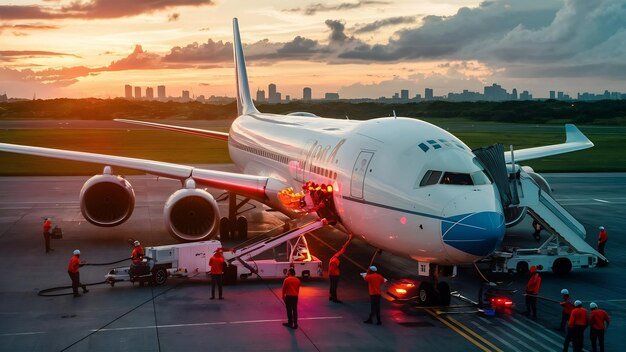
Air travel usually feels routine to me. You board the plane, settle into your seat, maybe watch a movie, and before you know it, you’re landing at your destination. But every now and then, something unexpected reminds you that flying still carries surprises.
That’s exactly what happened when I first heard about the United Airlines Flight UA770 emergency diversion. I wasn’t on the plane myself, but I remember following the story closely while waiting for my own delayed flight at the airport. Passengers around me were talking about it, checking updates on their phones, and wondering what exactly had happened.
Moments like that remind us that aviation is incredibly safe—but it also relies on quick decision-making when things don’t go according to plan.
In this article, I want to walk through what happened with the United Airlines Flight UA770 emergency diversion, what passengers experienced, and what travelers like you and me can learn from situations like this.
What Happened on United Airlines Flight UA770?
The United Airlines Flight UA770 emergency diversion quickly caught attention online when reports emerged that the aircraft had to change course mid-flight.
Emergency diversions usually happen when something requires immediate attention. In aviation, that could include:
-
A medical emergency involving a passenger
-
Technical or mechanical concerns
-
Weather complications
-
Security-related issues
While details of every diversion can vary, the most important thing to understand is that these decisions are made purely for safety.
Airlines and pilots are trained to respond quickly, and diverting to the nearest suitable airport is often the safest option.
Why Emergency Diversions Happen More Often Than You Think
Before looking deeper into the United Airlines Flight UA770 emergency diversion, it helps to understand something many travelers don’t realize:
Emergency diversions are not extremely rare.
In fact, thousands of flights around the world divert every year. The reasons are usually minor compared to what headlines might suggest.
Some of the most common causes include:
1. Medical Emergencies
Passengers sometimes experience sudden health problems mid-flight. Pilots may divert so the person can receive immediate medical care.
2. Mechanical Warnings
Modern aircraft have extremely sensitive monitoring systems. Even small alerts can trigger precautionary landings.
3. Severe Weather
Storm systems, turbulence, or visibility issues sometimes make it safer to land elsewhere.
4. Passenger Issues
Occasionally, disruptive passengers or onboard security concerns lead to diversions.
When I first learned about aviation safety procedures, I was surprised by how carefully pilots treat even small issues.
The Passenger Perspective During the UA770 Diversion
Imagine sitting comfortably in your seat when suddenly the captain makes an announcement.
Something like:
“Ladies and gentlemen, we’ll be diverting to another airport due to a precautionary situation.”
That’s usually when anxiety spreads across the cabin.
Based on accounts from similar incidents like the United Airlines Flight UA770 emergency diversion, passengers typically experience:
-
Confusion about what’s happening
-
Concern about safety
-
Frustration over travel delays
But flight crews are trained to keep everyone calm.
One thing I’ve personally noticed while flying is that flight attendants remain surprisingly calm even in stressful moments. Their professionalism often reassures passengers that things are under control.
How Pilots Handle Emergency Diversions
When a diversion like United Airlines Flight UA770 emergency diversion occurs, the cockpit crew follows strict procedures.
Here’s a simplified version of what happens behind the scenes.
Step 1: Identify the Issue
The crew analyzes warning signals, medical situations, or weather problems.
Step 2: Contact Air Traffic Control
Pilots coordinate with controllers to choose the best alternate airport.
Step 3: Prepare the Aircraft
The crew may adjust altitude, fuel usage, or route to ensure a safe landing.
Step 4: Inform Passengers
The captain usually makes an announcement explaining the diversion.
Step 5: Safe Landing
Emergency services often wait on standby just in case.
The whole process is designed to minimize risk and protect everyone onboard.
My Personal Tip for Handling Unexpected Flight Changes
Watching stories like the United Airlines Flight UA770 emergency diversion reminded me of something important about flying.
Unexpected changes happen.
Over the years, I’ve picked up a few habits that make travel disruptions easier to handle.
Tip #1: Always Keep Essentials in Your Carry-On
I learned this the hard way once when my flight diverted overnight.
Now I always pack:
-
Phone charger
-
Basic toiletries
-
Medication
-
Snacks
-
A light hoodie or blanket
Even if your luggage is inaccessible, you’ll still be comfortable.
Tip #2: Stay Calm and Listen to the Crew
It’s easy to panic when plans suddenly change.
But pilots and airlines prioritize safety above everything else.
In my experience, the best thing passengers can do is stay patient and follow instructions.
Most diversions are resolved quickly.
How Airlines Support Passengers After a Diversion
After an event like the United Airlines Flight UA770 emergency diversion, airlines typically help passengers continue their journey.
Depending on the situation, they may provide:
-
Rebooked flights
-
Meal vouchers
-
Hotel accommodations
-
Transportation assistance
Airlines know diversions are inconvenient, so they usually try to minimize disruption as much as possible.
The Safety Side of Aviation Most People Don’t See
One thing that doesn’t get enough attention in stories about diversions is how safe modern aviation really is.
Commercial aviation relies on multiple layers of safety systems, including:
-
Highly trained pilots
-
Aircraft monitoring technology
-
Global air traffic control networks
-
Strict airline procedures
Events like the United Airlines Flight UA770 emergency diversion actually highlight how effective these systems are.
Instead of ignoring problems, aviation professionals respond immediately.
Why News About Flight Diversions Spreads Quickly
These days, aviation stories spread across social media within minutes.
Passengers often post updates, photos, or videos while still onboard.
That means stories like the United Airlines Flight UA770 emergency diversion can go viral quickly.
While real-time updates can be helpful, they can also create confusion before full details are confirmed.
So whenever I read about incidents like this, I try to wait for verified information from airlines or aviation authorities.
What Travelers Can Learn From the UA770 Situation
The United Airlines Flight UA770 emergency diversion offers a few helpful reminders for frequent flyers.
1. Safety Comes First
Diversions may delay travel, but they protect passengers.
2. Flexibility Matters
Flights don’t always go exactly as planned.
3. Preparation Helps
Having essentials in your carry-on can make a huge difference.
Travel can be unpredictable, but being prepared makes it far less stressful.
Final Thoughts on the United Airlines Flight UA770 Emergency Diversion
When I first heard about the United Airlines Flight UA770 emergency diversion, it reminded me just how complex air travel really is. Behind every flight are pilots, engineers, air traffic controllers, and airline staff working together to keep passengers safe.
Diversions might feel alarming in the moment, but in reality they’re a sign that safety systems are working exactly as they should. As travelers, the best thing we can do is stay informed, stay calm, and trust the professionals who manage these situations every day.




Leave a Reply