
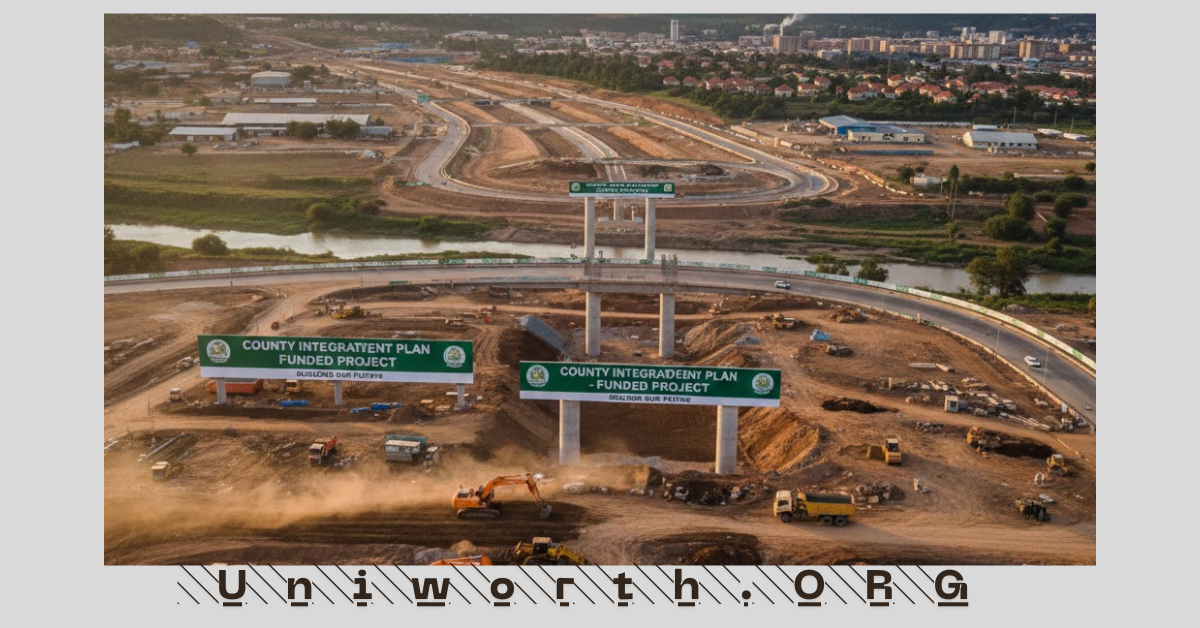
A few years ago, I attended a local public meeting out of pure curiosity. I thought it would be the usual speeches and handshakes. Instead, I heard people passionately discussing roads, water supply, healthcare centers, and youth programs—all tied to something called a County Integrated Development Plan.
At that time, I quietly asked the person sitting next to me, “What is county integrated development plan, exactly?”
They smiled and said, “It’s basically the county’s game plan for the next five years.”
That simple explanation stuck with me. But as I dug deeper, I realized it was much more powerful than just a “plan.” It’s actually one of the most important tools shaping local development in many countries today.
Let me break it down the way I wish someone had explained it to me.
What Is County Integrated Development Plan?
A County Integrated Development Plan (CIDP) is a five-year strategic plan created by a county government to guide development priorities, budgeting, and public projects.
Think of it as a roadmap.
It outlines:
-
What the county wants to achieve
-
Which projects will be funded
-
How resources will be allocated
-
How progress will be measured
In simple terms, it connects the community’s needs with actual government action.
When I first learned about it, I was surprised at how much it influences everyday life—roads we drive on, clinics we visit, schools our children attend, even waste management systems.
Why the County Integrated Development Plan Matters More Than You Think
Most people assume development just “happens.” But it doesn’t. It’s carefully planned.
The county integrated development plan ensures:
-
Proper resource allocation
-
Transparent budgeting
-
Public participation in decision-making
-
Alignment with national development goals
Without it, projects could become random, politically motivated, or poorly coordinated.
I once saw a small community push for a new water project. It didn’t move forward until it was properly included in the CIDP. That’s when I understood—if it’s not in the plan, it probably won’t happen.
How a County Integrated Development Plan Is Created
1. Public Participation
This part really impressed me.
Residents are invited to meetings to share their concerns and ideas. It’s not just politicians deciding everything behind closed doors.
People discuss:
-
Infrastructure development
-
Healthcare services
-
Education improvements
-
Agricultural support
-
Youth and women empowerment programs
My personal tip? Always attend at least one public participation forum. Even if you don’t speak, you’ll learn how your county operates.
2. Situation Analysis
The county studies current challenges:
-
Poverty levels
-
Unemployment rates
-
Access to clean water
-
State of roads and schools
They analyze data to understand where intervention is most urgent.
This is where strategic planning becomes practical.
3. Setting Development Priorities
After collecting public input and data, the county identifies key priorities for the next five years.
These could include:
-
Expanding healthcare facilities
-
Improving rural roads
-
Investing in digital transformation
-
Boosting local economic growth
Not everything can be done at once. The CIDP helps rank what matters most.
4. Budget Integration
Here’s something many people don’t realize: the CIDP is directly linked to the county budget.
If a project isn’t included in the plan, it won’t receive funding.
That’s why this document plays such a central role in governance and accountability.
Key Components of a County Integrated Development Plan
When I finally got my hands on a CIDP document, I noticed it usually includes:
Vision and Mission
The long-term dream for the county.
Development Goals
Clear objectives for sectors like health, education, agriculture, and infrastructure.
Implementation Framework
Who does what, and how.
Monitoring and Evaluation
How progress will be tracked.
That last part is crucial. Without monitoring and evaluation, plans become just paperwork.
How CIDP Supports Sustainable Development
One thing I appreciate about the county integrated development plan is its focus on sustainable development.
Instead of short-term fixes, it encourages:
-
Long-term infrastructure planning
-
Environmental protection
-
Inclusive economic policies
-
Social equity
For example, rather than just fixing potholes temporarily, the plan might prioritize building durable roads that last years.
It promotes smart growth instead of reactive spending.
My Personal Experience Reading a CIDP Document
I’ll be honest—at first, the document looked overwhelming.
Pages of charts, numbers, policy language.
But once I focused on the sections related to my area of interest (youth programs and small business support), it became incredibly empowering.
I realized:
-
The government had already outlined plans for entrepreneurship support.
-
There were budget allocations for vocational training.
-
Timelines were clearly stated.
My second personal tip? Don’t try to read the whole document at once. Start with sectors that affect you directly.
It becomes much easier to digest.
Common Misconceptions About County Integrated Development Plans
Over time, I’ve heard a few misunderstandings.
“It’s just political paperwork.”
Not true. It directly determines which projects get funded.
“Ordinary citizens don’t influence it.”
Actually, public participation is a required part of the process.
“Once written, it never changes.”
It can be reviewed and adjusted, especially if new priorities emerge.
Understanding these points helped me see CIDP as a living document, not a dusty file on a shelf.
Benefits of Understanding What a County Integrated Development Plan Is
When you understand what a county integrated development plan is, you gain:
-
Awareness of upcoming projects
-
Ability to hold leaders accountable
-
Opportunity to advocate for your community
-
Better understanding of county governance
I’ve personally used it to ask informed questions during public meetings. It changes how you engage with local leadership.
Instead of general complaints, you can say:
“This project was listed under year three implementation. What is the current status?”
That kind of question gets attention.
Related Terms You Should Know
As I explored further, I encountered several related concepts:
-
Strategic development plan
-
Public participation framework
-
County budget process
-
Integrated planning
-
Monitoring and evaluation systems
These terms often appear inside the CIDP and are closely connected to how it functions.
Understanding them gives you an even stronger grasp of local development planning.
Challenges Counties Face When Implementing CIDPs
Of course, not everything goes perfectly.
Some common challenges include:
-
Limited funding
-
Political interference
-
Delays in project execution
-
Weak monitoring systems
I’ve seen projects delayed because funds were reallocated to urgent matters like disaster response.
But having the CIDP still provides structure. It keeps counties anchored to long-term goals.
How You Can Get Involved
If you’re wondering what to do with this information, here are practical steps:
-
Check your county government website for the latest CIDP document.
-
Attend public participation forums.
-
Follow budget announcements.
-
Join local community groups discussing development issues.
It’s easier than you think.
Even one meeting can change how you see local leadership.
Why I Now Pay Attention to the County Integrated Development Plan
Before that public meeting years ago, I barely paid attention to local governance.
Now, whenever I hear about new road construction or healthcare expansion, I immediately wonder:
“Was this in the CIDP?”
Understanding what a county integrated development plan is has made me more aware, more engaged, and honestly, more hopeful.
It shows that development isn’t random. There’s a structure behind it.
And when citizens participate, that structure becomes stronger.
Final Thoughts: What Is County Integrated Development Plan and Why It Matters
So, what is county integrated development plan? It’s more than a document. It’s a five-year blueprint guiding how a county grows, spends money, and improves lives. It connects community needs to actual government action.
Once I understood that, I stopped seeing development as something distant. I started seeing it as something I could influence. If you’ve never looked at your county’s plan before, I genuinely encourage you to do it. You might be surprised by how much it affects your daily life.



Leave a Reply